
Dog Behavioral Solutions: Behavioral Therapy for Reactive Dogs
When we welcome a dog into our lives, we hope for joyful walks, playful moments, and peaceful coexistence with other dogs and people. But sometimes, our furry friends show signs of reactivity - barking, lunging, or growling at other dogs, strangers, or even certain situations. It can feel overwhelming and frustrating, but the good news is that behavioral therapy for dogs offers effective ways to help reactive dogs become calmer and more confident companions. Together, we can explore how to understand, manage, and transform reactive behavior with kindness and consistency.
Understanding Reactivity in Dogs: What It Means and Why It Happens
Reactive behavior in dogs is often misunderstood. It’s not just “bad behavior” or disobedience. Reactivity is a heightened emotional response to triggers that the dog perceives as threatening or overwhelming. These triggers might include other dogs, loud noises, unfamiliar people, or even specific environments.
Reactivity can stem from various causes:
Fear or anxiety: A dog may react out of fear, trying to protect itself from perceived danger.
Frustration: When a dog wants to approach but is restrained, it can lead to reactive outbursts.
Lack of socialization: Dogs not exposed to diverse experiences early on may react strongly to new stimuli.
Genetics and temperament: Some breeds or individual dogs are naturally more sensitive or reactive.
Recognizing the root cause helps us tailor the right approach. Instead of punishment, which can worsen anxiety, we focus on building trust and teaching alternative responses.
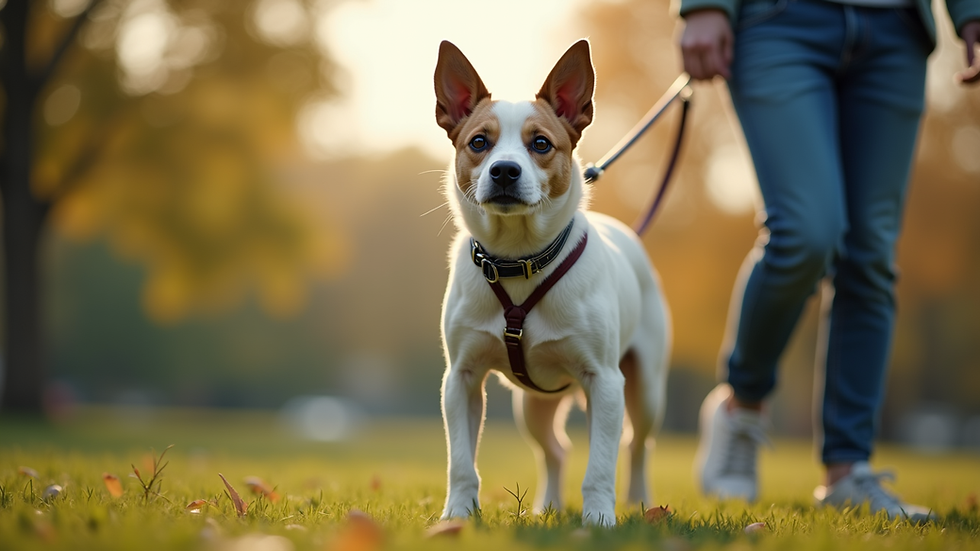
Dog Behavioral Solutions: How Behavioral Therapy Helps Reactive Dogs
Behavioral therapy for reactive dogs is a structured approach that combines training, environmental management, and emotional support. It aims to reduce the dog’s stress and teach new, positive behaviors in place of reactivity.
Here’s how we can approach it:
Identify triggers: Carefully observe what causes your dog to react. Is it other dogs, bicycles, or certain noises? Keeping a journal can help track patterns.
Manage the environment: Avoid situations that overwhelm your dog while you work on training. For example, choose quiet walking routes or times.
Desensitization and counter-conditioning: Gradually expose your dog to triggers at a distance where they feel safe, pairing the experience with treats and praise. Over time, the dog learns to associate the trigger with positive outcomes.
Teach alternative behaviors: Train your dog to focus on you, sit calmly, or perform a “look at me” command when a trigger appears.
Use positive reinforcement: Reward calm behavior consistently. This builds confidence and strengthens your bond.
Seek professional guidance: A certified dog trainer or behaviorist can provide personalized plans and support.
By patiently applying these steps, we help our dogs rewrite their emotional responses and enjoy more relaxed interactions.
Practical Tips for Implementing Behavioral Therapy at Home
We want to empower you with actionable strategies that fit into your daily routine. Here are some practical tips to get started:
Create a safe space: Designate a quiet corner or crate where your dog can retreat when feeling overwhelmed.
Use high-value treats: Find your dog’s favorite treats to motivate and reward during training sessions.
Keep training sessions short and fun: Aim for 5-10 minute sessions multiple times a day to maintain your dog’s interest.
Practice “look at me” command: Hold a treat near your eyes and say “look at me.” Reward when your dog makes eye contact. This helps redirect attention during triggers.
Leash and equipment: Use a comfortable, secure harness and a sturdy leash to maintain control without causing discomfort.
Stay calm and confident: Dogs pick up on our emotions. Keeping a relaxed demeanor helps your dog feel safe.
Gradual exposure: Slowly decrease the distance to triggers over weeks or months, never rushing the process.
Remember, progress may be slow but steady. Celebrate small victories and be patient with setbacks.

The Role of Consistency and Patience in Dog Behavioral Solutions
Consistency is the cornerstone of successful behavioral therapy. Dogs thrive on routine and clear expectations. When we consistently reward calm behavior and gently redirect reactivity, our dogs learn what is expected and feel more secure.
Patience is equally important. Reactive behavior often develops over time, and changing it requires time and dedication. It’s normal to encounter challenges along the way. Instead of feeling discouraged, we remind ourselves that every step forward is progress.
Here are some ways to maintain consistency and patience:
Set realistic goals: Break down the training into manageable milestones.
Keep a training log: Track your dog’s reactions and improvements.
Involve family members: Ensure everyone uses the same commands and techniques.
Celebrate progress: Reward yourself and your dog for achievements, no matter how small.
Stay informed: Continue learning about dog behavior and training methods.
By embracing a steady, compassionate approach, we build a foundation for lasting change and a stronger bond with our dogs.
Supporting Your Dog’s Emotional Well-being Beyond Training
Behavioral therapy for reactive dogs is not just about managing behavior; it’s about nurturing emotional health. Our dogs rely on us to create a safe, loving environment where they can thrive.
Here are some ways to support your dog’s emotional well-being:
Regular exercise: Physical activity helps reduce stress and excess energy.
Mental stimulation: Puzzle toys, scent games, and obedience training keep your dog’s mind engaged.
Socialization: Gradual, positive exposure to new people and dogs builds confidence.
Calming aids: Consider natural supplements or calming wraps after consulting your vet.
Quality time: Spend quiet moments cuddling or grooming to strengthen your bond.
By addressing both behavior and emotional needs, we help our dogs lead happier, more balanced lives.
We hope this guide inspires you to take positive steps toward helping your reactive dog. With understanding, patience, and the right tools, we can transform challenges into opportunities for growth and connection. Together, we create a future where every dog feels safe, loved, and ready to enjoy life to the fullest.
For more detailed guidance, consider exploring behavioral therapy for dogs to deepen your knowledge and find professional support tailored to your dog’s unique needs.


Comments